
The Evolution and Modern Mastery of Cold-Forming
When considering high-precision, high-strength industrial components, it is easy to assume that cutting, drilling, and shaving metal away is the only path to perfection. However, a much more efficient, sustainable, and structurally superior method has been quietly revolutionizing manufacturing for well over a century: Cold-Forming.
At Spartan Fastener, we leverage this powerful cold-forming process every day to deliver exceptional components to our partners. To appreciate where the cold forming technology stands today, it helps to look back at how it evolved and why it remains the gold standard for modern manufacturing.
A Brief History of Cold-Forming
The roots of cold-forming date back to the Industrial Revolution of the 19th century, born out of a critical need to mass-produce standard fasteners like nails, rivets, and screws for expanding railroad networks and automated machinery. Early pioneers realized that instead of heating metal to a molten state or painstakingly machining it down, they could apply immense mechanical pressure to force room-temperature wire into a die.
During the 20th century, the demands of the automotive and aerospace industries pushed the cold-forming technology forward. The process advanced from making simple screws to forming highly complex parts with incredible precision, all at room temperature.
Today, what began as a crude method for making simple screws has transformed into a highly advanced, computerized science. At Spartan Fastener, we showcase the pinnacle of cold-forming evolution, utilizing sophisticated machinery that ranges from standard equipment to rare, high-capability 6-die 6-blow progressive headers.
How Cold-Forming Works
Unlike machining, which chips away at raw material to find the part inside, cold-forming is a chipless, compressive metalworking process.
It begins with a coil of wire fed into a machine at room temperature. The wire is cut to a precise length (a blank) and then positioned inside a series of dies. Our powerful cold-forming machines use sequential pressure to mold the metal rather than cut it. By forcing the material to flow into shape naturally, we keep the metal's internal grain intact for maximum strength.
Unmatched Advantages over Machining
The structural and financial benefits of choosing cold-forming over traditional metal machining are clear:
- Superior Tensile Strength: When metal is machined, its grain flow is cut, creating natural weak points and stress concentration areas. Cold-forming actually contours the metal's grain lines to match the exact shape of the part. This directional grain flow significantly increases the component’s fatigue resistance and overall structural integrity.
- Zero Waste (Sustainable & Cost-Effective): Machining can result in up to 60% or 70% of the raw material ending up on the shop floor as scrap metal shavings. Cold-forming is virtually a 100% material-utilization process. The exact amount of material needed is cold-formed into the final part, significantly lowering material costs - a savings passed directly to the customer.
- High-Speed Production: Cold-forming machines operate at incredibly high cycles per minute. This allows for rapid mass production that traditional CNC machining centers simply cannot match, drastically shortening lead times for high-volume orders.
- Tight, Repeatable Tolerances: Modern cold-forming delivers exceptional dimensional consistency. For example, Spartan can maintain strict tolerances of ±0.001 inches on diameters, ensuring that the first part off the line matches the millionth.
What Can Be Developed? (The Spartan Fastener Capability)
The versatility of cold-forming allows us to manufacture an extensive variety of standard components alongside completely custom, built-to-print items. By utilizing a wide spectrum of materials, including carbon steels, stainless steel alloys, copper, brass, and aluminum, we create tailored solutions for highly demanding industries ranging from automotive and electronics to medical equipment.
Some of the key cold-formed products engineered through this process include:
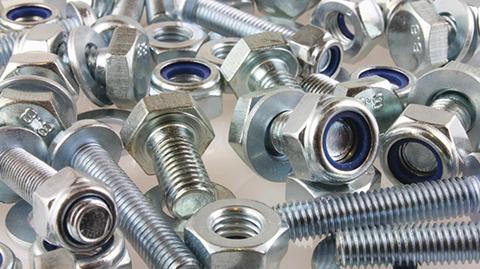
- Custom Fasteners and Shoulder Bolts: Engineered to withstand high-vibration and high-fatigue environments.
- Miniature and Precision Components: Utilizing wire diameters as small as 0.020 inches for delicate electronics and electrical contacts.
- Screws, Rivets, and Pins: Including specialized bed frame pins, leveling feet, and knockdown fasteners for structural furniture frames.
- Complex Multi-Diameter Components: Made possible by our advanced 6-die 6-blow progressive headers, allowing for intricate upsets, extrusions, and secondary thread rolling with cutoff sizes up to 1 inch in diameter.
Shaper of the Future
From its 19th-century origins to the precision-engineered, zero-defect production lines of today, cold-forming has proven itself as the most reliable, sustainable, and high-strength manufacturing method on the market.
By combining historical principles with modern innovations, Spartan Fastener continues to push the boundaries of what cold-forming can achieve.
Have a complex part or a high-volume project? Contact the Spartan Fastener engineering team today to see how cold-forming can optimize your production line.
When considering high-precision, high-strength industrial components, it is easy to assume that cutting, drilling, and shaving metal away is the only path to perfection. However, a much more efficient, sustainable, and structurally superior method has been quietly revolutionizing manufacturing for well over a century: Cold-Forming.
At Spartan Fastener, we leverage this powerful cold-forming process every day to deliver exceptional components to our partners. To appreciate where the cold forming technology stands today, it helps to look back at how it evolved and why it remains the gold standard for modern manufacturing.
A Brief History of Cold-Forming
The roots of cold-forming date back to the Industrial Revolution of the 19th century, born out of a critical need to mass-produce standard fasteners like nails, rivets, and screws for expanding railroad networks and automated machinery. Early pioneers realized that instead of heating metal to a molten state or painstakingly machining it down, they could apply immense mechanical pressure to force room-temperature wire into a die.
During the 20th century, the demands of the automotive and aerospace industries pushed the cold-forming technology forward. The process advanced from making simple screws to forming highly complex parts with incredible precision, all at room temperature.
Today, what began as a crude method for making simple screws has transformed into a highly advanced, computerized science. At Spartan Fastener, we showcase the pinnacle of cold-forming evolution, utilizing sophisticated machinery that ranges from standard equipment to rare, high-capability 6-die 6-blow progressive headers.
How Cold-Forming Works
Unlike machining, which chips away at raw material to find the part inside, cold-forming is a chipless, compressive metalworking process.
It begins with a coil of wire fed into a machine at room temperature. The wire is cut to a precise length (a blank) and then positioned inside a series of dies. Our powerful cold-forming machines use sequential pressure to mold the metal rather than cut it. By forcing the material to flow into shape naturally, we keep the metal's internal grain intact for maximum strength.
Unmatched Advantages over Machining
The structural and financial benefits of choosing cold-forming over traditional metal machining are clear:
- Superior Tensile Strength: When metal is machined, its grain flow is cut, creating natural weak points and stress concentration areas. Cold-forming actually contours the metal's grain lines to match the exact shape of the part. This directional grain flow significantly increases the component’s fatigue resistance and overall structural integrity.
- Zero Waste (Sustainable & Cost-Effective): Machining can result in up to 60% or 70% of the raw material ending up on the shop floor as scrap metal shavings. Cold-forming is virtually a 100% material-utilization process. The exact amount of material needed is cold-formed into the final part, significantly lowering material costs - a savings passed directly to the customer.
- High-Speed Production: Cold-forming machines operate at incredibly high cycles per minute. This allows for rapid mass production that traditional CNC machining centers simply cannot match, drastically shortening lead times for high-volume orders.
- Tight, Repeatable Tolerances: Modern cold-forming delivers exceptional dimensional consistency. For example, Spartan can maintain strict tolerances of ±0.001 inches on diameters, ensuring that the first part off the line matches the millionth.
What Can Be Developed? (The Spartan Fastener Capability)
The versatility of cold-forming allows us to manufacture an extensive variety of standard components alongside completely custom, built-to-print items. By utilizing a wide spectrum of materials, including carbon steels, stainless steel alloys, copper, brass, and aluminum, we create tailored solutions for highly demanding industries ranging from automotive and electronics to medical equipment.
Some of the key cold-formed products engineered through this process include:
- Custom Fasteners and Shoulder Bolts: Engineered to withstand high-vibration and high-fatigue environments.
- Miniature and Precision Components: Utilizing wire diameters as small as 0.020 inches for delicate electronics and electrical contacts.
- Screws, Rivets, and Pins: Including specialized bed frame pins, leveling feet, and knockdown fasteners for structural furniture frames.
- Complex Multi-Diameter Components: Made possible by our advanced 6-die 6-blow progressive headers, allowing for intricate upsets, extrusions, and secondary thread rolling with cutoff sizes up to 1 inch in diameter.
Shaper of the Future
From its 19th-century origins to the precision-engineered, zero-defect production lines of today, cold-forming has proven itself as the most reliable, sustainable, and high-strength manufacturing method on the market.
By combining historical principles with modern innovations, Spartan Fastener continues to push the boundaries of what cold-forming can achieve.
Have a complex part or a high-volume project? Contact the Spartan Fastener engineering team today to see how cold-forming can optimize your production line.